The benefits of art therapy
You haven't held a paintbrush since school, you've always said you're bad at drawing, and yet the idea of sitting down with a piece of paper and some colors appeals to you a little? It's no coincidence. Creating with your hands is one of those things that feels good, and there's even an entire discipline based on it: art therapy. 🎨
We'll explain what it is, what research says, and what you can take away from it at home.
🧩 What it really is
Art therapy is a therapeutic approach that uses creation (drawing, painting, sculpting, but also music, dance, or theater) as a means of expression and communication. It is practiced with an art therapist, a professional trained to support the person.
It can be found in healthcare facilities, social services, and community organizations. It is mainly used to express what is difficult to put into words: a confusing emotion, a memory, a difficult period.
One important point: the goal is not to create a beautiful piece of art. What matters is what happens while you are creating. Generally, the therapist does not interpret what you have made, and you choose whether or not to share what it inspires in you.
🕐 What a session looks like
Depending on the workshop, a session lasts between one and three hours, either in a group or individually. It often begins with a discussion to find out what you are looking for, followed by time to create with the materials of your choice, and finally, if you wish, time to talk about it.
No skills are required. No one grades, no one compares.
🌿 What creation changes
- It occupies your mind. When you focus on a color or a gesture, there is less room for thoughts that go round and round. In an American study, one participant reported that after five minutes, they were already ruminating less.
- It gives shape to what you feel. A dark color, a heavy line, a very busy background: you can express a mood without describing it.
- It feels good. Seeing a blank sheet become something, even something simple, brings a little pride.
- It makes you lose track of time. In this same study, participants said they had become absorbed in what they were doing, a state that psychologists call flow.
🔬 What research says
Research on art therapy is still young, and we prefer to be honest with you about that. It still offers some interesting leads.
In 2016, researchers at Drexel University (United States) had 39 adults create for 45 minutes using the materials of their choice. In 75% of them, cortisol levels, a hormone linked to stress, had decreased after the session. The result depended neither on artistic experience nor on the materials used. Almost half of the participants also said they had very little experience.
Be careful about hasty conclusions: it is a small study, without a control group, and in a quarter of the participants, cortisol actually increased, which is not necessarily bad, as this hormone is also used to get started. Other studies, particularly with people being treated for cancer, report a decrease in anxiety and depression, but they remain few.
In short: creating seems to help you unwind, even if we cannot yet fully explain why.

🤝 Art therapy or creative leisure?
Let's be clear: painting alone at your kitchen table is not art therapy. Art therapy requires a professional and a structured setting. What you do at home is a creative leisure activity, which can feel good, but does not replace professional support.
This is how we see things at Frangipane: born from a personal journey, the brand has a simple goal: to make creation accessible to those who need to unwind a little. If you are going through a difficult time, talk to your doctor or a psychologist. A creative activity can then be an addition, like a moment for yourself during the week.
✨ Where to start at home
A few pointers first: plan for about 45 minutes (the duration of the study), prepare a spot on the table, put your phone away, and focus on the gesture rather than the result. And choose something guided: a blank sheet can be intimidating, a pre-prepared base much less so.
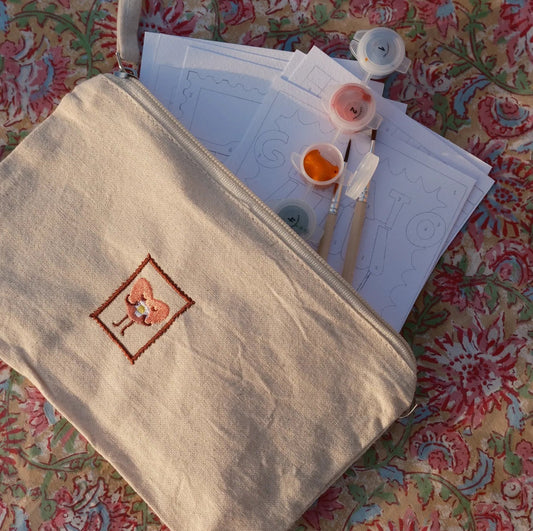
- Paint by numbers, so you don't have to think about it. The numbered postcards to paint, such as the Tropique Set or the Mediterranean Set, contain 6 cards, 2 paintbrushes, 6 small paint pots, and an embroidered case. You follow the numbers, and your mind goes blank.
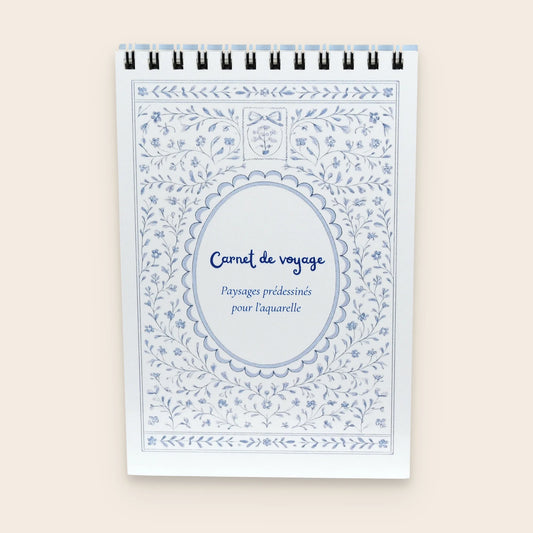
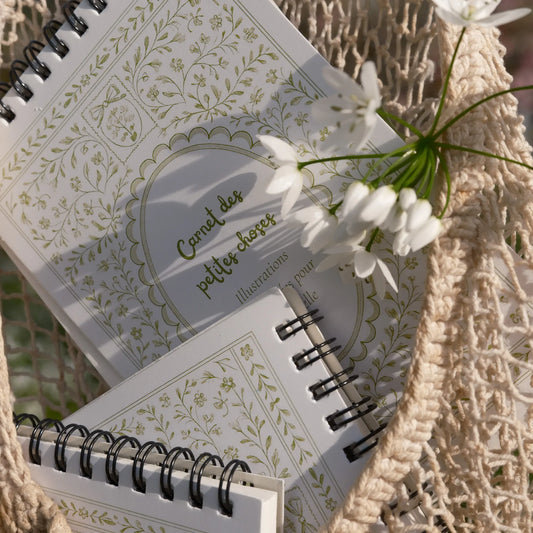
- Watercolor, for the softness of the gesture. The 12-pan watercolor palette and our pre-drawn sketchbooks, the Travel Sketchbook (25 landscapes) and the Little Things Sketchbook (20 illustrations), to paint what surrounds you and pause for a moment.
- Coloring, for tired evenings. Our coloring books, with their simple and soothing illustrations, fit into a bag.
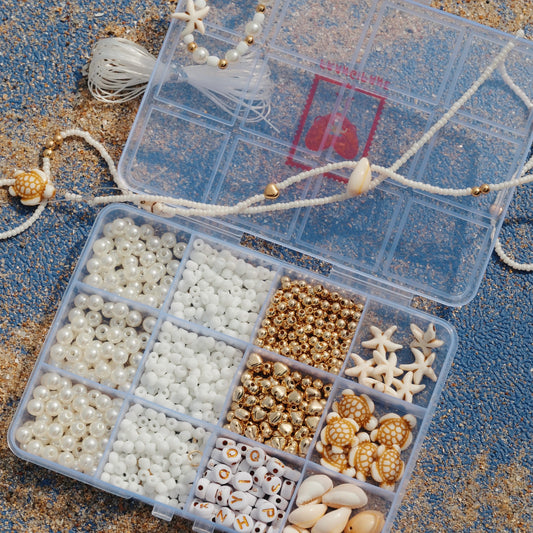
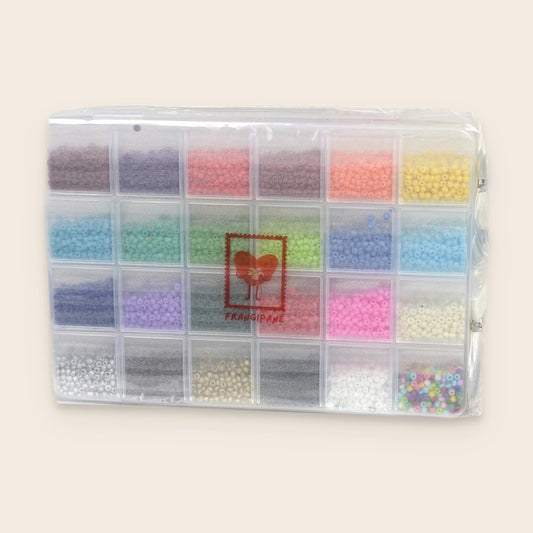
- Beads, to keep your hands busy. The Shell Beads and Seed Beads sets allow you to make bracelets, necklaces, and bag charms, with elastic thread provided.
There is nothing to get right, just a moment to enjoy.
🌅 In short
Art therapy is a real discipline, with professionals and a structured setting. But the idea behind it—creating without trying to do it well—you can try it tonight. Forty-five minutes, some color, and your phone in another room.
Also read: A break away from screens · 10 ideas for screen-free activities to disconnect · DIY decor ideas